
Essential Criteria for Choosing Bilingual Tax Services in the United States
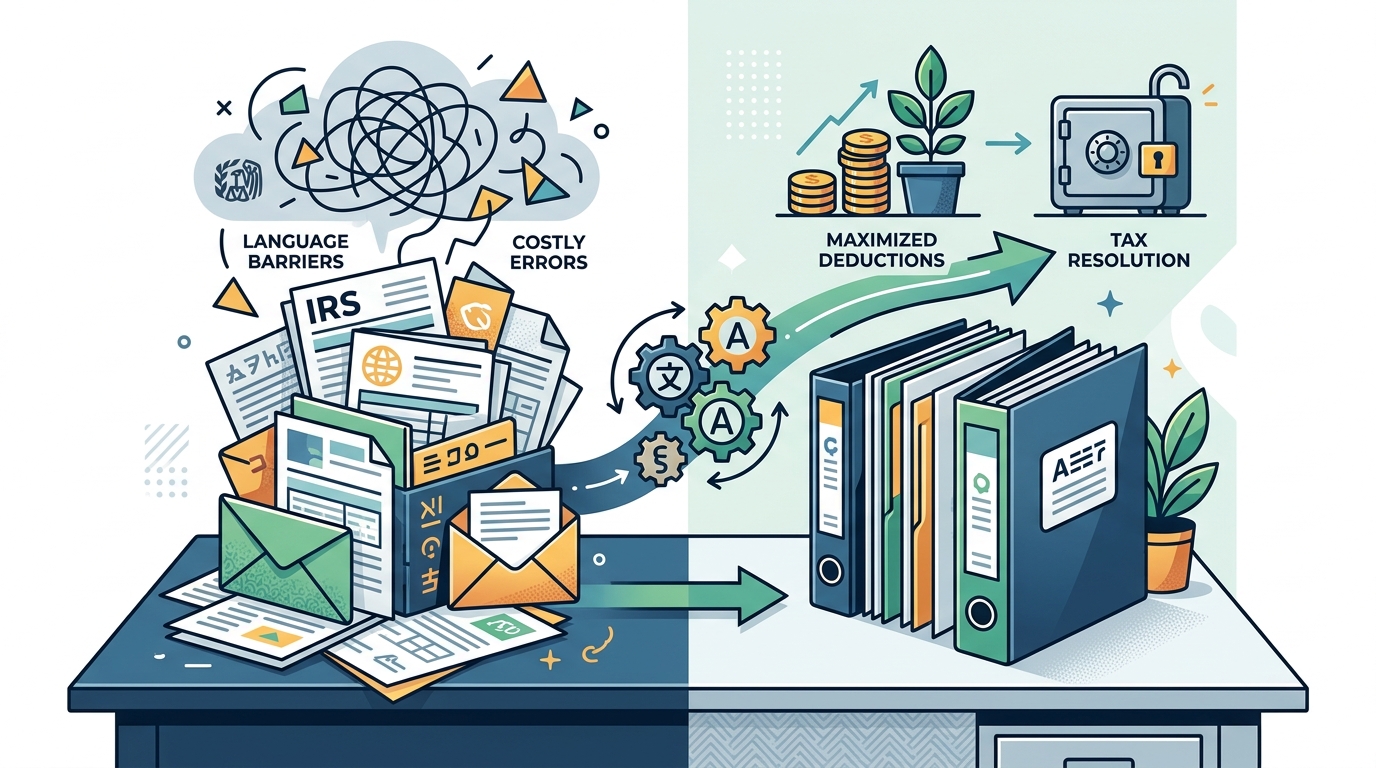
Language barriers in financial compliance can lead to costly errors, missed deductions, and unnecessary IRS scrutiny. According to recent demographic data, over 40 million people in the United States speak a language other than English at home, creating a massive demand for culturally competent financial guidance. Navigating the complex US tax code requires more than just numerical accuracy; it demands clear communication to ensure that income sources, deductions, and credits are interpreted correctly within the context of your specific situation. This guide outlines the critical factors for selecting the right bilingual tax professional, ensuring your financial stability and peace of mind.
Understanding Your Bilingual Tax Needs
Before engaging a tax professional, it is vital to define the specific linguistic and cultural requirements of your financial profile. Bilingual tax services are not merely about translation; they involve a deep understanding of cross-border financial obligations, immigration status implications, and cultural nuances in financial planning.
Immigration Status Impact is a primary driver for seeking bilingual assistance. Your visa type, green card application, or citizenship process can significantly alter your tax filing requirements. For instance, individuals navigating Citizenship and Immigration services often require tax professionals who understand the intersection of immigration law and tax compliance. Misunderstandings in this area can delay visa approvals or complicate naturalization processes.
Additionally, Cultural Financial Practices play a role in how income and assets are reported. In many cultures, informal lending, family support structures, and multi-generational households are common. A bilingual tax preparer who understands these dynamics can help identify legitimate deductions and credits that a monolingual preparer might overlook. This cultural competence ensures that your tax strategy aligns with your actual financial reality.
Evaluating Professional Credentials and Expertise
Language proficiency is only one component of a qualified tax professional. You must verify their technical expertise and adherence to IRS standards. The foundation of any reliable tax service is the professional's certification and ongoing education.
CPA vs. Enrolled Agent (EA) distinctions are critical. Certified Public Accountants (CPAs) have passed rigorous state exams and completed extensive education. Enrolled Agents are federally licensed tax practitioners who specialize exclusively in taxation. Both can represent you before the IRS, but their areas of expertise may differ. When evaluating candidates, ask about their specific experience with your type of tax situation, whether it is personal, business, or complex international income.
Continuing Education is mandatory for tax professionals to maintain their licenses. The US tax code changes annually, with new laws affecting deductions, credits, and reporting requirements. A qualified bilingual preparer must stay current with these changes in both English and the target language. Inquire about their recent training on topics such as the Back Taxes Resolution protocols or recent IRS notice updates, which are common pain points for bilingual taxpayers.
Service Scope and Specialization
Not all bilingual tax services offer the same breadth of support. Your choice should depend on whether you need basic filing assistance or comprehensive financial planning. The complexity of your financial life dictates the level of service required.
Personal vs. Business Tax Filing presents different challenges. Personal tax filing involves standard deductions, itemized deductions, and potential credits like the Earned Income Tax Credit. Business tax filing, however, requires an understanding of entity structures, payroll taxes, and expense categorization. If you are an entrepreneur, look for a firm that offers Business Tax Return services alongside personal filing to ensure consistency across your financial profile.
IRS Verification and Notice Support is another crucial service area. Receiving a notice from the IRS can be stressful, especially if the correspondence is in English and you are more comfortable in another language. A qualified provider should offer IRS Verification & Notice Support to help you understand the notice, gather the necessary documentation, and respond appropriately. This service prevents minor issues from escalating into audits or penalties.
Comparing Service Delivery Models
The way a tax professional delivers their services impacts your experience and the accuracy of your filing. Consider the convenience, accessibility, and security of their delivery model.
In-Person Consultations offer a tangible level of trust and personal connection. For complex situations, meeting face-to-face allows for a deeper discussion of sensitive financial details. Quality Taxes and Multiservices, for example, provides in-person consultations at their Plantation, FL office, allowing clients to review documents physically and ask questions in real-time. This model is particularly beneficial for older clients or those who prefer a traditional service approach.
Remote and Digital Services have become increasingly popular for their convenience. Secure portals allow you to upload documents and communicate via video or chat. However, ensure that the provider uses encrypted, HIPAA-compliant (if applicable) platforms to protect your sensitive data. If you reside in areas like Atlanta, GA or Houston, TX, verify that remote services are available and that the provider understands local state tax implications.
Key Selection Criteria Summary
To simplify your decision-making process, the following table compares the essential criteria for choosing a bilingual tax service provider.
| Criteria | Why It Matters | Questions to Ask |
|---|---|---|
| Linguistic Proficiency | Ensures accurate communication of complex tax terms and reduces errors. | Can you explain tax deductions in my native language without using a translator? |
| Professional Credentials | Guarantees technical competence and legal authority to represent you. | Are you a CPA or EA? When was your last continuing education course? |
| Immigration Tax Knowledge | Crucial for non-citizens to avoid compliance issues with visa status. | Do you have experience filing taxes for individuals on [Your Visa Type] visas? |
| Service Scope | Determines if the provider can handle your specific financial complexity. | Do you offer Business Registration Services or just tax filing? |
| IRS Support | Provides peace of mind if the IRS contacts you after filing. | How do you handle IRS notices? Is there an additional fee for this service? |
Key Takeaways
- Language is a Compliance Tool: Miscommunication in tax filings can lead to audits. Bilingual services reduce this risk by ensuring precise understanding of IRS requirements.
- Credentials Matter: Prioritize CPAs or Enrolled Agents who specialize in your specific tax situation, whether personal or business.
- Immigration Status Impacts Taxes: Your visa or citizenship status dictates your filing obligations. Ensure your provider understands Citizenship and Immigration tax implications.
- Service Delivery Flexibility: Choose between in-person consultations for complex issues or remote services for convenience, ensuring data security in either case.
- Comprehensive Support: Look for providers who offer IRS Verification & Notice Support to handle post-filing issues proactively.
- Regional Expertise: State taxes vary significantly. A provider serving Florida, New Jersey, or Texas should understand local nuances.
- Insurance Integration: Some tax professionals also offer Marketplace Health Insurance guidance, providing a holistic approach to your financial planning.
Frequently Asked Questions
What is the difference between a bilingual tax preparer and a translator?
A translator converts text from one language to another. A bilingual tax preparer understands the technical tax code in both languages and can apply that knowledge to your specific financial situation, ensuring compliance and optimization.
Do I need a bilingual tax service if I speak English?
Even if you speak English, cultural nuances in financial reporting can be missed. Bilingual services often provide a deeper understanding of cross-border transactions, family support structures, and cultural financial practices that standard preparers might overlook.
How do I verify a tax professional's credentials?
You can verify a CPA through your state's board of accountancy and an Enrolled Agent through the IRS directory. Always ask for proof of their current license and continuing education records.
Can a bilingual tax service help with back taxes?
Yes, many bilingual providers specialize in Back Taxes Resolution, helping clients negotiate payment plans, offer in compromise, or correct past filings to resolve IRS issues.
What services are included in business registration?
Business Registration Services typically include obtaining an EIN, registering with state agencies, and setting up the initial tax structure for your new business, ensuring you start on the right foot.
How does immigration status affect my taxes?
Your status determines whether you are a resident or non-resident alien for tax purposes, which affects your filing status, standard deduction eligibility, and tax treaty benefits. Professional guidance is essential to navigate these rules.
What is IRS Verification & Notice Support?
This service involves reviewing IRS correspondence, explaining the issues in your preferred language, gathering necessary documents, and responding to the IRS on your behalf to resolve discrepancies.
Schedule Your Consultation
Navigating the US tax system with bilingual support ensures accuracy, compliance, and peace of mind. Whether you need personal tax filing, business registration, or immigration-related tax advice, Quality Taxes and Multiservices provides the expert guidance you need. Our team is dedicated to helping individuals and families achieve their financial goals with clarity and confidence.
Do not let language barriers complicate your tax compliance. Contact us today to Schedule a Consultation and discover how our bilingual tax services can protect your financial future.