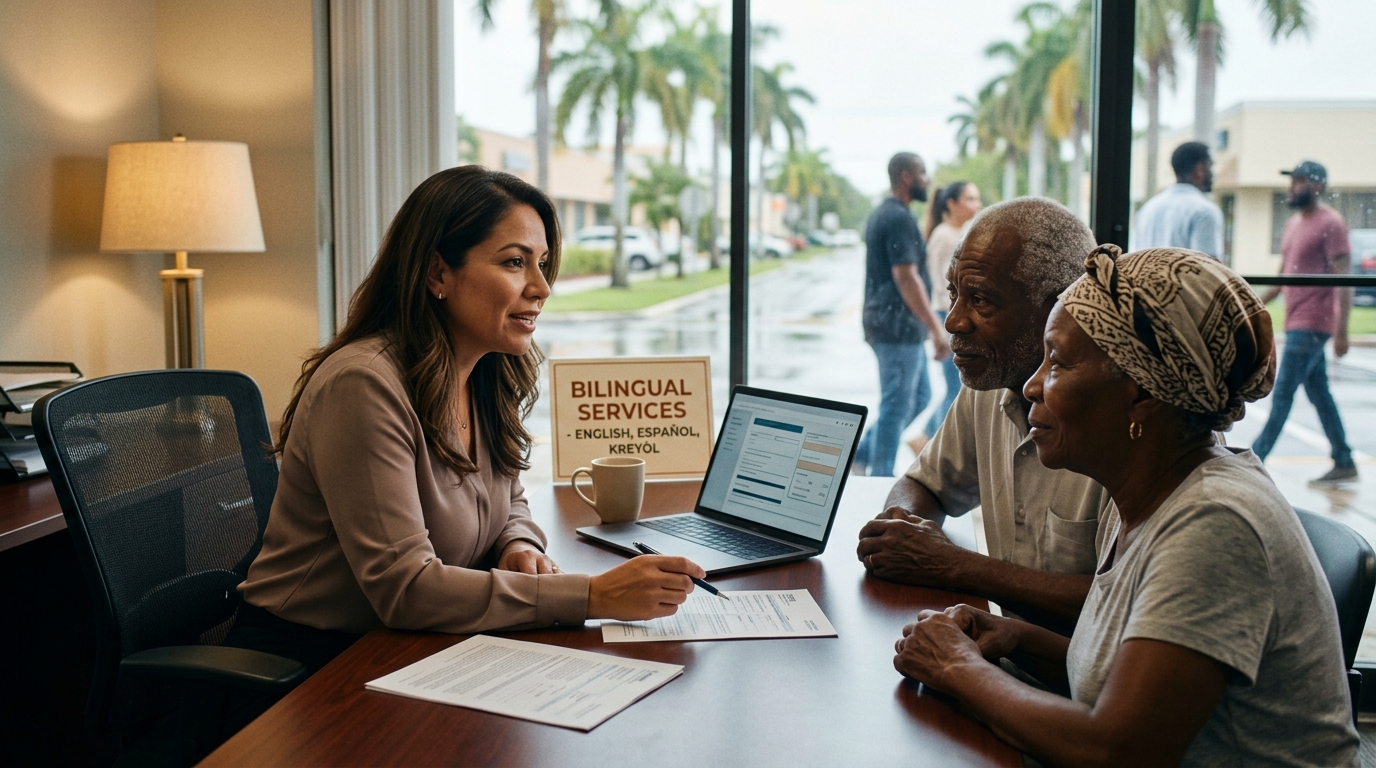
Florida is home to one of the most diverse populations in the United States, with a significant portion of residents speaking Spanish, Haitian Creole, or other languages at home. This demographic reality creates a high demand for tax professionals who can bridge the linguistic gap. According to recent U.S. Census Bureau data, over 20% of Florida residents speak a language other than English at home. This statistic highlights why bilingual tax preparation is not just a convenience but a critical component of financial compliance for millions of households. Navigating the complex federal and state tax codes requires precision, empathy, and clear communication. For business owners and individuals alike, finding a preparer who understands both the numbers and the language is essential for avoiding costly errors and maximizing refunds. (Tax Preparation amp IRS)
IRS Regulations and PTIN Requirements
Before considering language skills, any tax preparer must meet the baseline federal requirements set by the Internal Revenue Service. The most fundamental credential is the Preparer Tax Identification Number (PTIN). The IRS mandates that anyone who prepares tax returns for compensation must hold a valid PTIN. This number serves as a unique identifier for the preparer and ensures accountability in the tax filing process. Without a current PTIN, a preparer is operating illegally, regardless of their language abilities.
For bilingual preparers, the PTIN is the starting point, not the finish line. The IRS also requires annual continuing education for paid preparers who meet certain thresholds of income from tax preparation. This education often includes updates on tax law changes, which are critical for maintaining accuracy. A preparer who speaks your language but fails to stay current with federal tax codes is a liability, not an asset. Therefore, verifying that a bilingual preparer holds a current PTIN is the first step in your due diligence process.
Florida State Licensing and Compliance
While the IRS sets federal standards, Florida has its own regulatory framework for tax service providers. The Florida Department of Business and Professional Regulation (DBPR) oversees the licensing of tax service providers. In Florida, tax service providers must register with the state and display their registration number on all advertising and client documents. This registration ensures that the provider is operating within state laws and is subject to disciplinary action if they violate consumer protection standards.
For bilingual clients, this state registration is particularly important because it provides a layer of legal recourse. If a preparer engages in fraudulent activity or gross negligence, the state board can investigate complaints. When searching for a bilingual tax preparer in Plantation, FL, or anywhere else in the state, always ask for their Florida tax service provider registration number. This number confirms that the business is legitimate and accountable to state authorities. It also indicates that the business is aware of local compliance requirements, which can vary significantly from one county to another.
Professional Credentials and Certifications
Language fluency is a soft skill, but professional credentials are hard evidence of technical expertise. The most respected credential in the industry is the Enrolled Agent (EA) status. Enrolled Agents are licensed by the IRS and have unlimited rights to represent taxpayers before the IRS. This includes audits, collections, and appeals. For bilingual clients dealing with complex issues like back taxes resolution, an EA is often the ideal choice because they can navigate the IRS verification and notice support process with authority.
Other valuable credentials include the Certified Public Accountant (CPA) and the Certified Tax Coach (CTC) designations. While CPAs are licensed by the state board of accountancy, EAs are federally licensed. Both groups often have bilingual staff or partners who can assist non-English speaking clients. However, the credential itself does not guarantee language proficiency. You must verify that the specific individual handling your return is fluent in your preferred language. At firms like Quality Taxes and Multiservices, the team combines these high-level credentials with native or near-native fluency in multiple languages to serve the diverse Florida population effectively.
Assessing Language Proficiency and Cultural Competence
Speaking a language is not the same as understanding the nuances of tax terminology in that language. Tax concepts such as "deductions," "credits," "amortization," and "liability" have specific technical meanings that do not always translate directly. A competent bilingual tax preparer must be able to explain these concepts clearly in the client's native tongue without losing technical accuracy. This requires more than just conversational fluency; it requires professional vocabulary mastery.
Cultural competence is equally important. Tax laws and financial behaviors are often influenced by cultural background. For example, immigrant families may have complex cross-border income sources or specific documentation needs related to citizenship and immigration status. A preparer who understands these cultural contexts can provide more holistic advice. This might include guidance on citizenship and immigration services, which are often intertwined with tax planning for new residents. Understanding these nuances builds trust and ensures that no critical financial detail is overlooked due to cultural miscommunication.
Specialized Services for Bilingual Clients
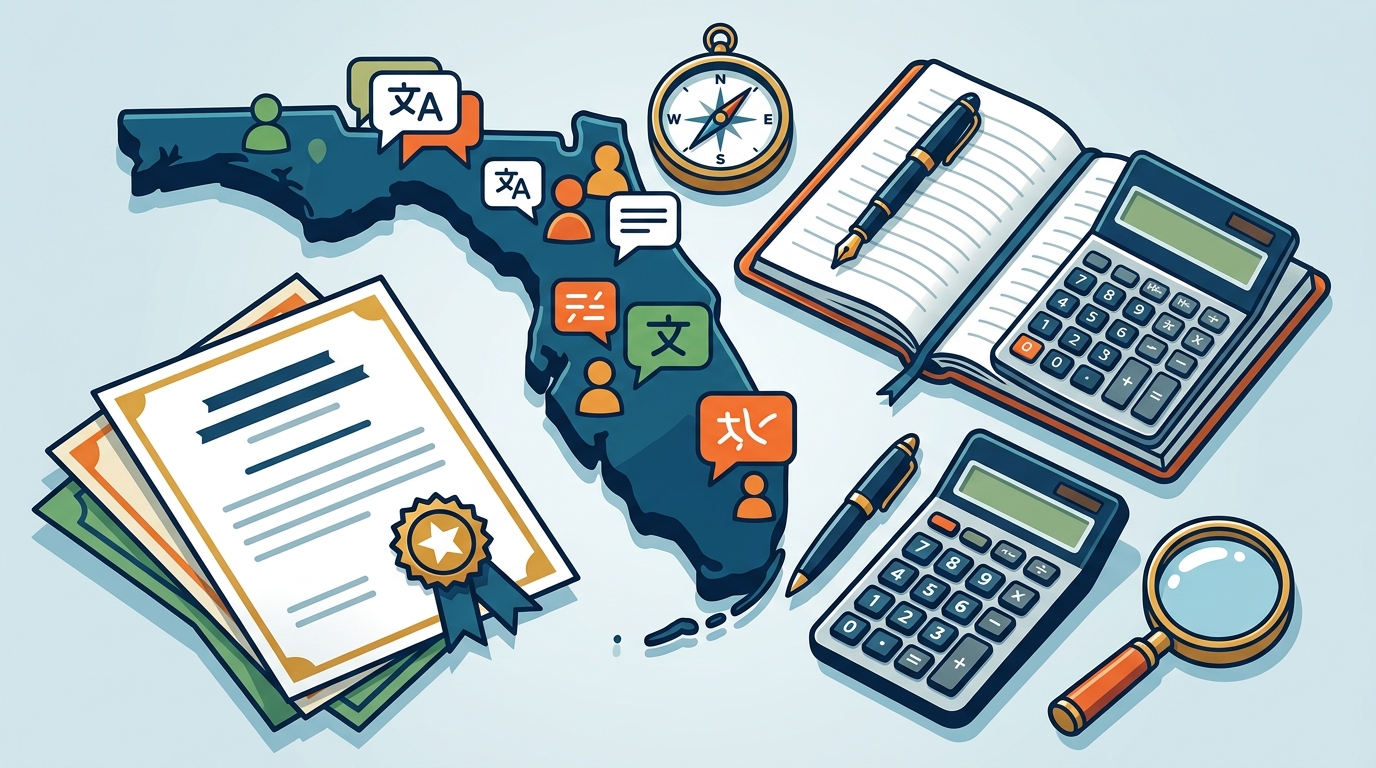
Bilingual tax preparers often offer a broader suite of services tailored to the unique needs of diverse communities. These services go beyond simple tax filing and include financial planning, insurance solutions, and business registration. For instance, many bilingual clients are small business owners who need help with business registration services in multiple states. A preparer who understands the regulatory landscape in Florida, Georgia, and Texas can provide valuable cross-border advice.
Additionally, bilingual preparers are often better equipped to handle back taxes resolution for clients who may have missed filing deadlines due to language barriers or confusion about U.S. tax obligations. They can negotiate with the IRS on behalf of the client, explaining the situation clearly and proposing manageable payment plans. This level of advocacy is crucial for clients who feel intimidated by the IRS. Furthermore, these firms often provide marketplace health insurance guidance, helping clients navigate the complexities of the Affordable Care Act in their native language, ensuring they secure affordable coverage.
Comparing Tax Preparation Options
When selecting a bilingual tax preparer, it is helpful to compare the different types of service models available. Some firms focus exclusively on tax preparation, while others offer a comprehensive financial services approach. The table below outlines the key differences between these models.
| Service Model | Primary Focus | Best For | Key Advantage |
|---|---|---|---|
| Specialized Tax Firm | Tax filing and IRS representation | Complex tax situations, audits | Deep expertise in tax codes and regulations |
| Full-Service Financial Firm | Tax, insurance, and business registration | Small business owners, immigrants | One-stop shop for diverse financial needs |
| Independent CPA/EA | Personalized tax and accounting | Individuals with specific accounting needs | Direct access to a single expert |
| Online Tax Software | DIY tax filing | Simple tax returns | Low cost, convenience |
For bilingual clients, the full-service financial firm often provides the most value. As seen in resources like the affordable health insurance in Florida guide, understanding the interplay between tax status and insurance eligibility is vital. A firm that can handle both ensures consistency in your financial profile. Similarly, comparing options like Ambetter vs Oscar Health Insurance Marketplace Plan requires financial literacy that a bilingual preparer can provide, linking your tax situation to your insurance premiums.
Key Takeaways
- PTIN is Mandatory: Every paid tax preparer must have a valid Preparer Tax Identification Number from the IRS.
- Florida Registration: Tax service providers in Florida must register with the DBPR and display their registration number.
- EA Status is Gold Standard: Enrolled Agents have unlimited rights to represent taxpayers before the IRS.
- Technical Fluency Matters: Ensure the preparer can explain complex tax terms in your native language accurately.
- Cultural Context is Key: Look for preparers who understand cross-border income and immigration-related tax issues.
- Comprehensive Services: Firms offering insurance and business registration can provide more holistic financial planning.
- Verify Credentials: Always ask for proof of licensure and continuing education before hiring.
Frequently Asked Questions
What is the most important credential for a tax preparer?
The most important credential is the Preparer Tax Identification Number (PTIN), which is required by the IRS for anyone who prepares returns for compensation. For complex issues, an Enrolled Agent (EA) status is highly recommended.
Do I need a Florida-licensed tax preparer?
Yes, if you are filing in Florida, your tax service provider must be registered with the Florida Department of Business and Professional Regulation (DBPR). This registration ensures they comply with state consumer protection laws.
How do I verify a preparer's language proficiency?
Ask for a consultation to discuss a specific tax scenario. A proficient preparer will be able to explain technical terms clearly in your native language without hesitation or confusion.
Can a bilingual preparer help with IRS audits?
Yes, especially if they are an Enrolled Agent or CPA. They can represent you before the IRS, communicate with agents on your behalf, and ensure that your rights are protected during the audit process.
What services do bilingual tax firms typically offer?
Beyond tax preparation, these firms often offer business registration, insurance solutions, and citizenship and immigration assistance, providing a comprehensive suite of services for diverse clients.
Are bilingual tax preparers more expensive?
Not necessarily. While specialized expertise may command a premium, many bilingual firms offer competitive pricing to serve the diverse Florida market. The value often lies in the accuracy and the avoidance of costly errors.
How do I find a bilingual tax preparer in Plantation, FL?
Look for firms with a physical presence in Plantation, such as Quality Taxes and Multiservices, and verify their DBPR registration and IRS credentials online. Check for reviews from clients with similar linguistic and cultural backgrounds.
Schedule Your Consultation
Navigating the tax code in a second language can be daunting, but you do not have to do it alone. Whether you need help with personal tax filing, business registration, or resolving back taxes, a qualified bilingual preparer can provide the clarity and confidence you need. At Quality Taxes and Multiservices, we combine federal and state expertise with deep cultural understanding to serve clients across Florida, Georgia, Texas, and beyond. Do not let language barriers compromise your financial future. Schedule a consultation today to speak with a tax expert who speaks your language.